Cameroon’s Colossus Showcasing the Region’s Premier Wood Operation
Cameroon’s Colossus Showcasing the Region’s Premier Wood Operation
Blog Article
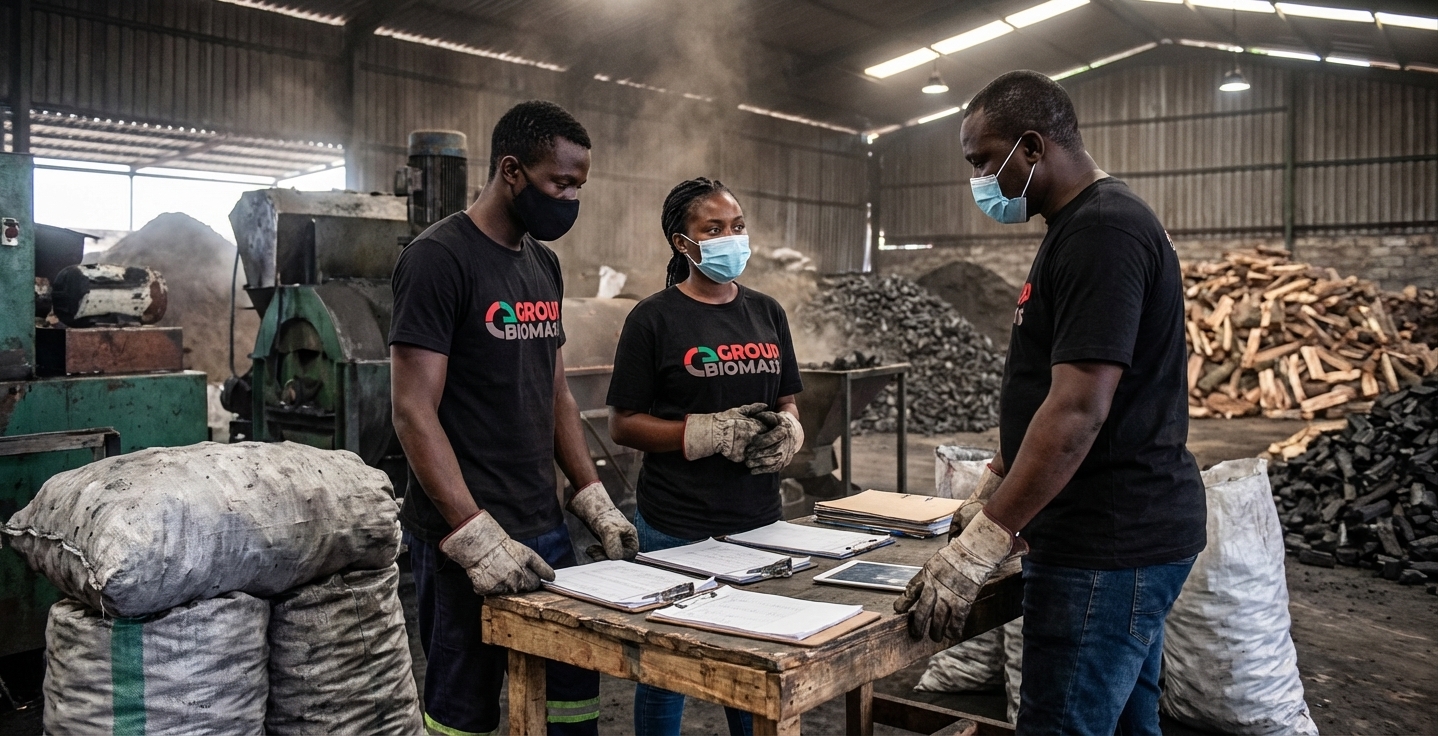
Deep within Cameroon , a substantial facility stands as a symbol to the rising demand for wood fuel . This commercial complex, reportedly the nation’s largest wood plant , is attracting attention for both its size and the possible environmental consequences . While creating jobs for local communities, the factory's processes are sparking debate about sustainable forest harvesting and the long-term well-being of Cameroon’s woodlands .
Hardwood Briquet Carbon Sale Boom: The Promising Nation
Cameroon is witnessing a remarkable surge in quality lump charcoal exports, positioning itself as a major player in the global industry. Fueled by growing demand from European US and Pacific markets, the region’s output of this sustainable fuel is rapidly growing, offering new opportunities for Cameroonian populations and supporting the regional economy. The focus on environmentally friendly hardwood lump charcoal is demonstrating to be a essential factor in gaining international customers.
Inside Cameroon’s Hardwood Lump Charcoal Factory: Production & Sustainability
Stepping across a average Cameroon hardwood lump fuel factory reveals a remarkably straightforward system of production. Untreated trees, often collected from responsible woodlands, are meticulously cut and moved to a kiln. Inside, the wood is gradually burned with restricted oxygen, a method that changes it to lump charcoal. While the traditional methods used can be difficult, more modern factories are incorporating better processes and trying ways to enhance both efficiency and ecological responsibility. This includes investing in clean power and introducing rigorous scrap management plans.
The Charcoal Trade : A Major Player in International Sales
Despite mounting environmental worries , Cameroon’s lump charcoal trade remains a surprising yet vital role in the global sales landscape. The creation of charcoal from trees is a critical origin of income for countless of local families , particularly in rural regions . This practice generates a substantial amount of charcoal shipped for overseas markets , often supporting cooking needs in other countries , though this reliance creates problems relating to deforestation and responsible woodland management .
La Contre Charbon Lump en Bois Dur et Les Briquettes: Une Perspective Camerounaise
Au le pays, le sélection entre le charbon de bois dur massif et les combustibles soulève une question . Classiquement, , le combustible de bois a été privilégié en son saveur typique et sa capacité à donner une température forte, appropriée pour les grillades locales . Cependant, , les combustibles, plus check here disponibles à acquérir et moins économiques , gagnent en popularité , notamment auprès les communautés citadines .
Eco-friendly Charcoal Production : The Trajectory of Cameroon Timber Industry
The conventional method of charcoal creation in Cameroon presents a major threat to its valuable hardwood woodlands . However, innovative sustainable techniques offer a hopeful path forward. These encompass technologies like wood waste conversion and improved earth ovens , which reduce deforestation, decrease emissions, and create economic opportunities for local villagers. Embracing these environmentally sound alternatives is critical to protecting Cameroon's precious heritage and ensuring the long-term viability of its hardwood business while addressing climate change .
Report this page